
Leading Tools And Materials For Concrete Installations You Need
Equip yourself with essential products that streamline your concrete projects and ensure consistent, high-quality outcomes.
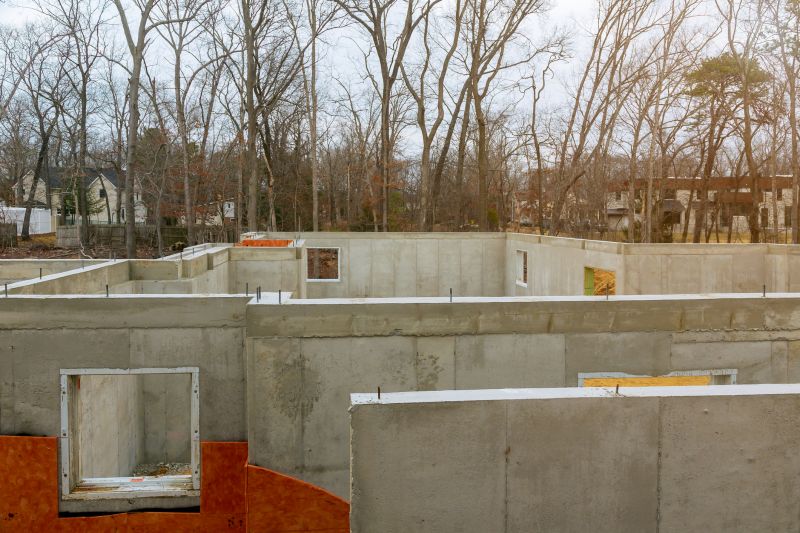 Concrete installations in Auburn, CA, require a diverse array of products to ensure durability, safety, and aesthetic appeal. Whether constructing a new driveway, patio, or foundation, selecting the appropriate materials and tools is essential for achieving a successful project. From initial preparation to finishing touches, each phase involves specific products designed to meet the demands of concrete work. Proper selection and use of these products can help optimize installation quality and longevity.
Top Overall Option
Concrete Mix
A versatile and fundamental product, concrete mix serves as the core material for most concrete installations. It combines cement, aggregates, and water to create a workable substance that can be poured, molded, and finished to form durable structures. Selecting a high-quality mix suitable for the specific project requirements can influence the strength, setting time, and overall performance of the installation.
Types of Products For Concrete Installations
Concrete Mixes
Various formulations designed for different load capacities, setting times, and finishes.
Reinforcement Mesh
Steel or fiberglass meshes used to strengthen concrete slabs and prevent cracking.
Formwork Materials
Plywood, plastic, or metal forms that shape and contain poured concrete.
Curing Compounds
Solutions applied to concrete surfaces to retain moisture and facilitate proper curing.
Sealants and Surface Protectors
Products that provide a protective barrier against moisture, stains, and surface wear.
Concrete Vibrators
Tools used to eliminate air pockets and ensure proper compaction of poured concrete.
Finishing Tools
Trowels, floats, and edgers for achieving smooth and professional surface finishes.
Expansion Joints
Materials that allow for movement within concrete slabs to prevent cracking.
Bonding Agents
Adhesives that improve the bond between existing concrete and new layers.
Concrete Admixtures
Additives that modify properties such as setting time, workability, and durability.
Surface Demarcation Tape
Markers used to outline sections or control joints during installation.
Anchors and Fasteners
Hardware used to secure fixtures or structural elements to concrete surfaces.
Waterproofing Membranes
Layers applied to protect concrete from water ingress and damage.
Concrete Edgers
Tools for creating clean, rounded edges on concrete slabs.
Shotcrete Equipment
Specialized machinery for spraying concrete in specific applications like slopes or walls.
Surface Texturing Tools
Tools used to add slip-resistant patterns or decorative textures to concrete surfaces.
Popular Choices
A fundamental material used frequently across various concrete projects.
Commonly selected for strengthening slabs and structural elements.
Popular for shaping concrete during pouring and setting.
Widely used to ensure proper curing and surface strength.
Popular for protecting finished concrete surfaces from moisture and stains.
Frequently employed to achieve uniform density and reduce air pockets.
Commonly used to attain smooth, level surfaces.
Often included to accommodate movement and prevent cracking.
Popular for repairs and overlays to improve adhesion.
Selected for customizing setting times and workability.
Chosen for projects requiring moisture resistance.
Used to add decorative or slip-resistant textures.
Commonly used to secure fixtures to concrete surfaces.
Helpful for marking out sections or joints during installation.
Popular for specialized applications like walls and slopes.
Frequently used to create clean edges on slabs.
For any concrete project, understanding the different product options available can assist in planning and execution. Common items include concrete mixes, curing compounds, reinforcement materials, and finishing tools. Each product plays a vital role in the overall process, contributing to the strength, appearance, and weather resistance of the finished installation. It is also important to consider the specific requirements of the project environment, such as load-bearing needs, exposure to elements, and local building codes.
In Auburn, CA, where weather conditions can vary, choosing products that withstand temperature fluctuations and moisture exposure is particularly important. Proper preparation with suitable primers and sealants can improve adhesion and protect the concrete over time. Additionally, selecting quality tools and accessories can make the installation process more efficient and help achieve smoother finishes and precise dimensions. When planning a concrete project, taking the time to research and select the right products can lead to better results and increased satisfaction with the final outcome.
Key Buying Considerations
- Project scope and size to determine the volume and type of products needed.
- Environmental conditions such as temperature, humidity, and exposure to elements.
- Strength and durability requirements based on the intended use of the concrete installation.
- Compatibility of products with existing structures or materials.
- Ease of use and availability of tools and accessories for the project scale.
- Curing and finishing products that support proper setting and surface quality.
- Budget constraints while balancing quality and performance.
- Local building codes and standards applicable to concrete work.
- Compatibility of reinforcement materials with the concrete mix.
- Long-term maintenance and protection products to ensure longevity.
- Availability of technical support or guidance from suppliers.
- Transportation and storage considerations for bulk materials.
- Safety features and handling instructions for chemical products.
- Potential need for specialized equipment such as vibrators or spraying machines.
- Environmental safety and disposal considerations for used products.