Optimal Timing for Concrete Installations
Concrete installations are influenced heavily by weather conditions, making timing critical for optimal results. The ideal period for pouring concrete typically aligns with mild, dry weather to ensure proper curing and strength development.
Spring and fall are generally considered the best seasons for concrete work due to moderate temperatures and lower humidity levels.
Concrete should be poured when temperatures are between 50°F and 85°F to prevent freezing or rapid drying, which can compromise durability.
Rain, snow, or extreme heat can delay or damage concrete curing, making it essential to monitor weather forecasts before scheduling.
Fluctuating temperatures can lead to cracking or uneven curing, emphasizing the importance of stable weather conditions during installation.
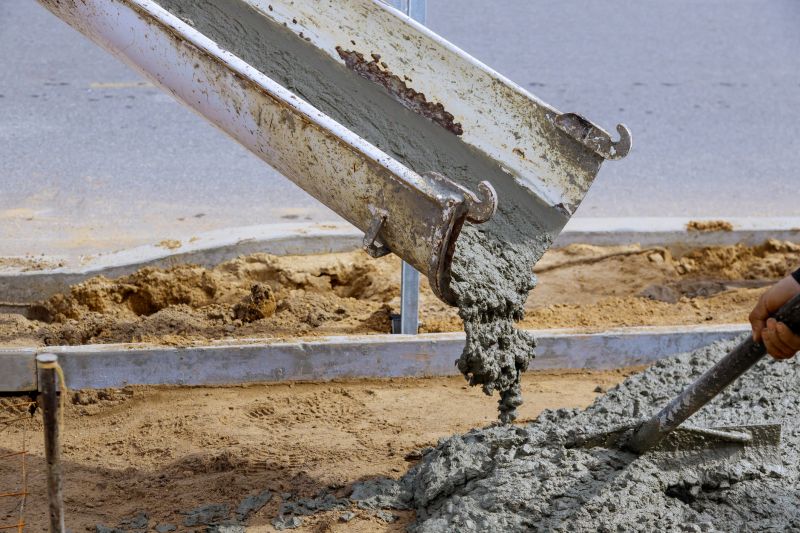
Scheduling during mild weather conditions promotes optimal curing and strength development.

Using temperature sensors helps ensure conditions stay within ideal ranges for concrete work.
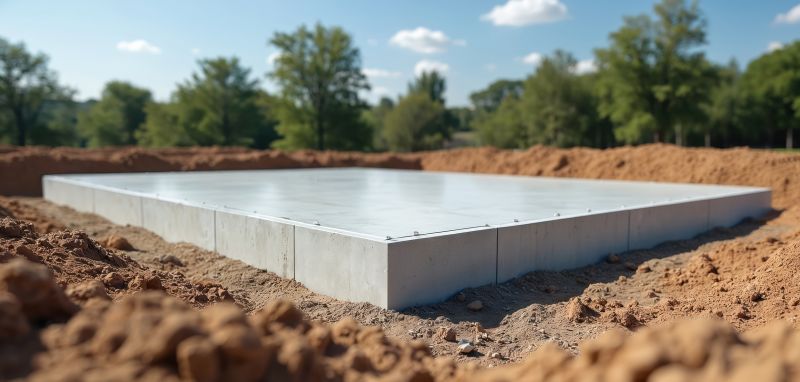
Proper site preparation is essential for successful concrete installation in suitable weather.
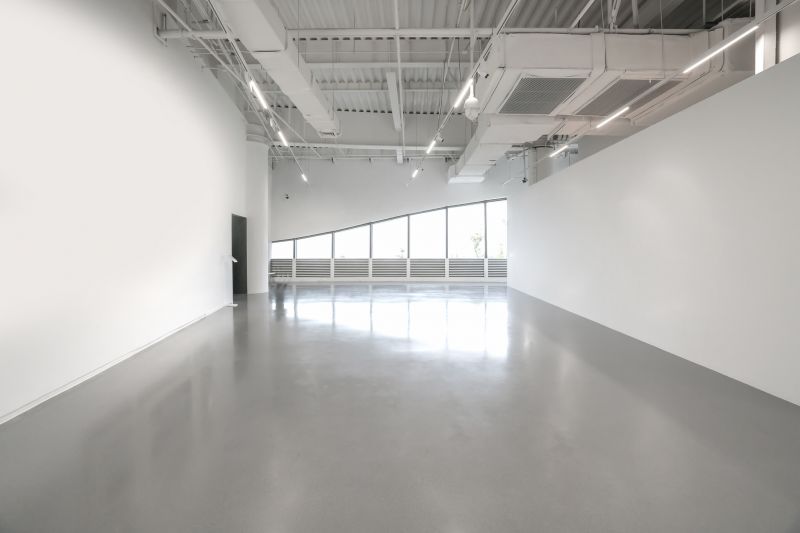
Ways to make Concrete Installations work in tight or awkward layouts.
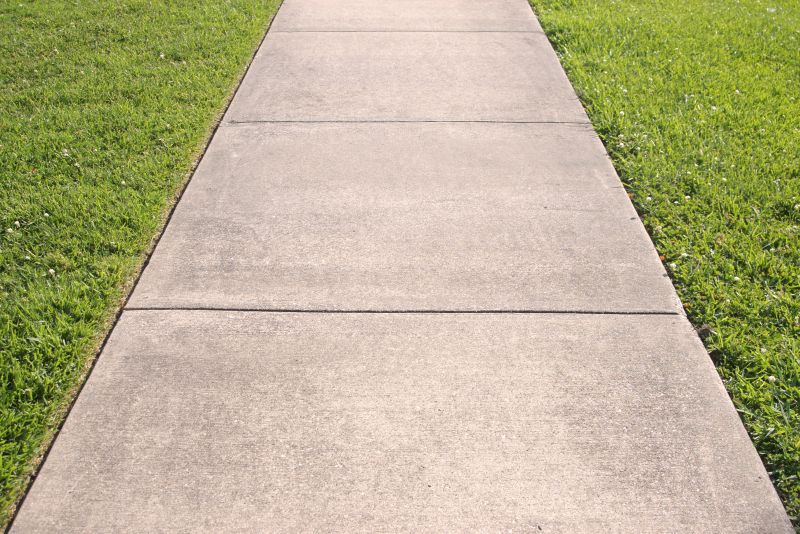
Popular materials for Concrete Installations and why they hold up over time.
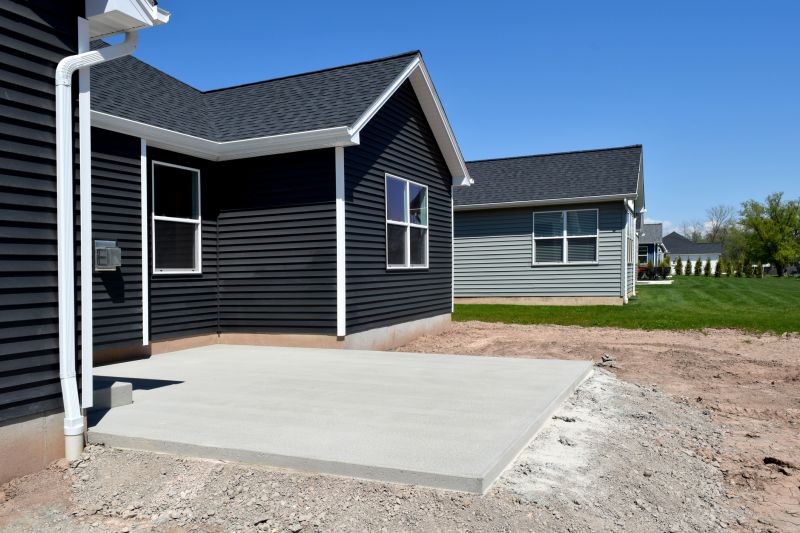
Simple add-ons that improve Concrete Installations without blowing the budget.
| Season | Ideal Temperature Range |
|---|---|
| Spring | 50°F to 70°F |
| Fall | 50°F to 85°F |
| Summer | Early morning or late evening |
| Winter | Not recommended unless heated enclosures are used |
Concrete installations require careful planning to match weather conditions that support proper curing processes. Timing influences the structural integrity and aesthetic quality of the finished project. Weather-related issues such as rapid drying, freezing, or excessive moisture can lead to cracking, scaling, or reduced strength.
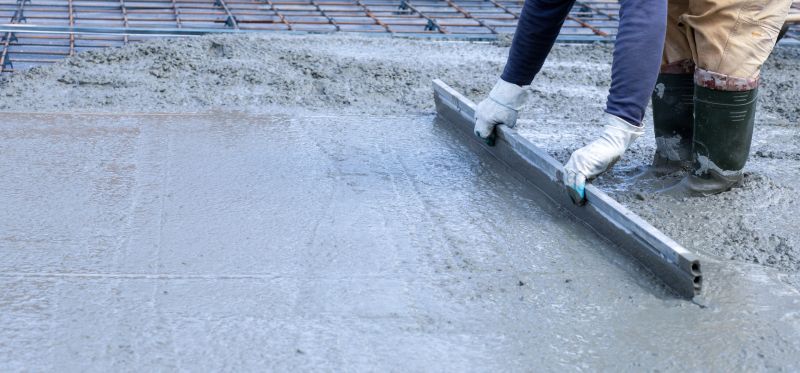
Maintaining suitable weather conditions during curing enhances durability.
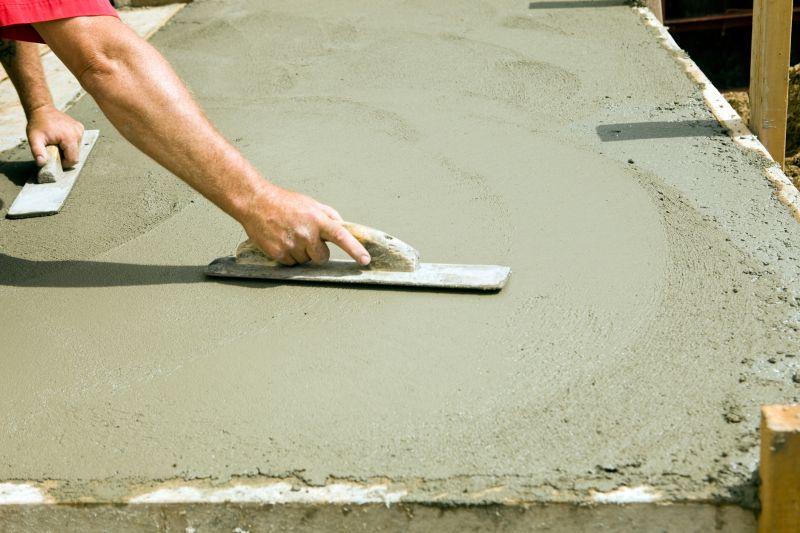
Planning around favorable weather prevents delays and defects.
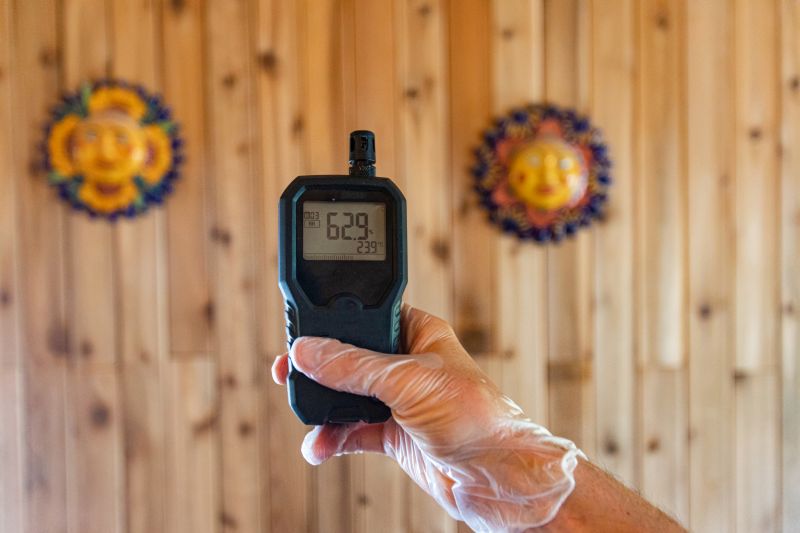
Utilize tools to track temperature and humidity for better scheduling.
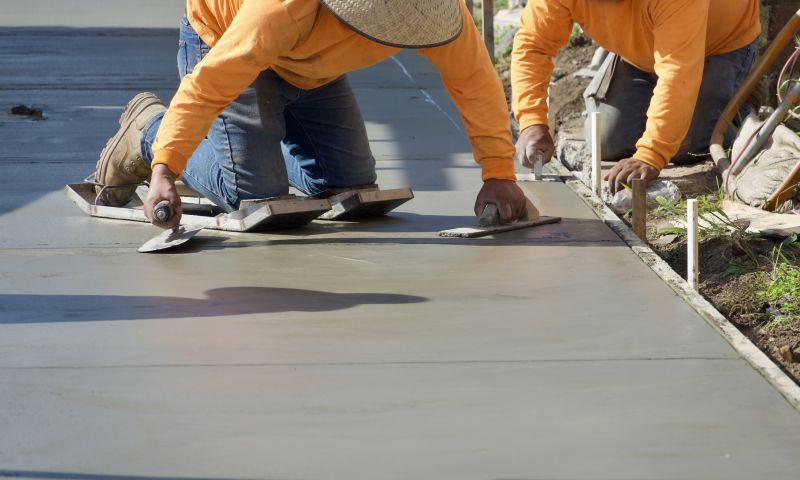
Contingency plans help manage unexpected weather changes.
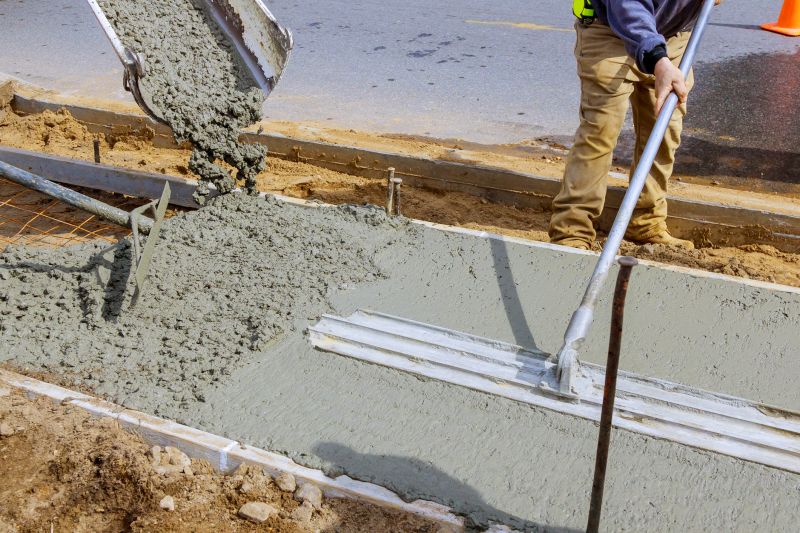
High-end options that actually feel worth it for Concrete Installations.

Finishes and colors that play nicely with Concrete Installations.
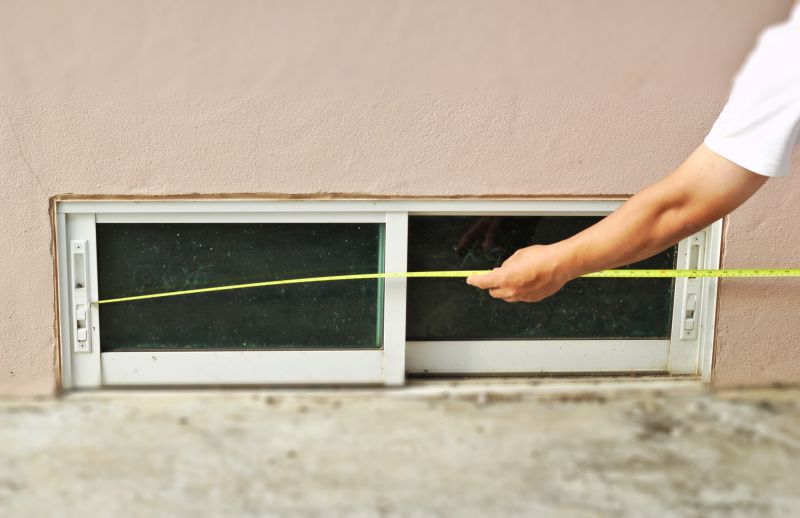
Little measurements that prevent headaches on Concrete Installations day.
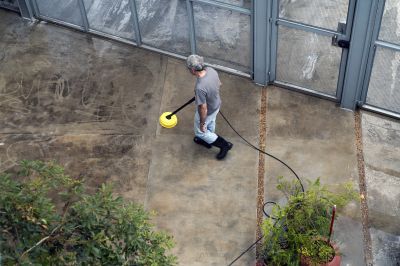
A 60-second routine that keeps Concrete Installations looking new.
For optimal concrete installation, it is advisable to plan projects during seasons with predictable, moderate weather. This minimizes risks associated with temperature extremes and moisture issues. Proper scheduling ensures the concrete achieves its desired strength and longevity.
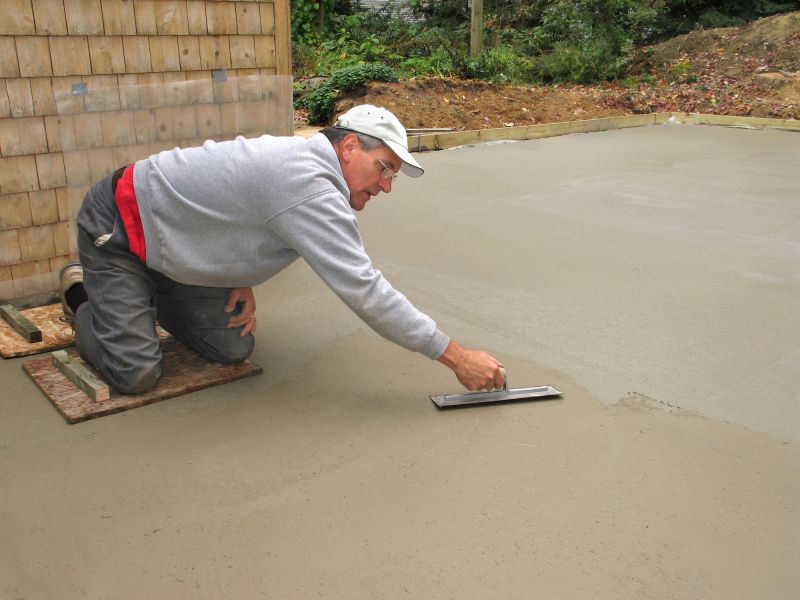
Spring offers moderate temperatures ideal for pouring and curing.
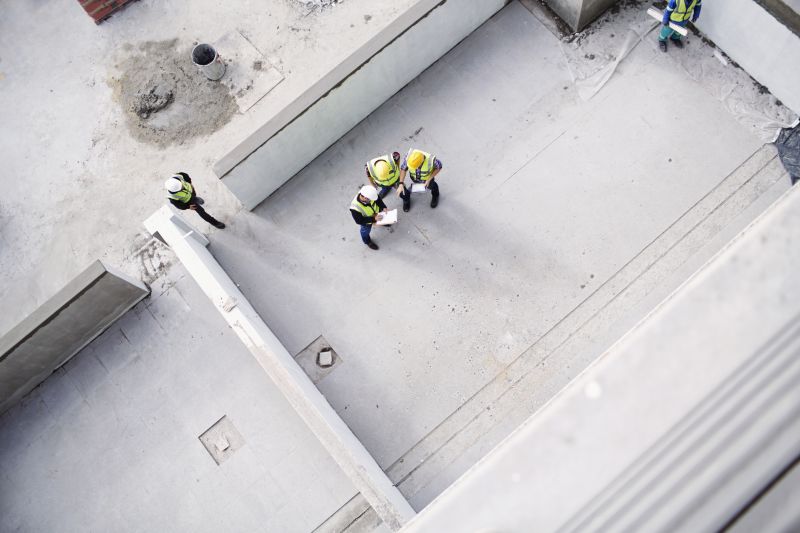
Fall weather provides stable conditions for installation.
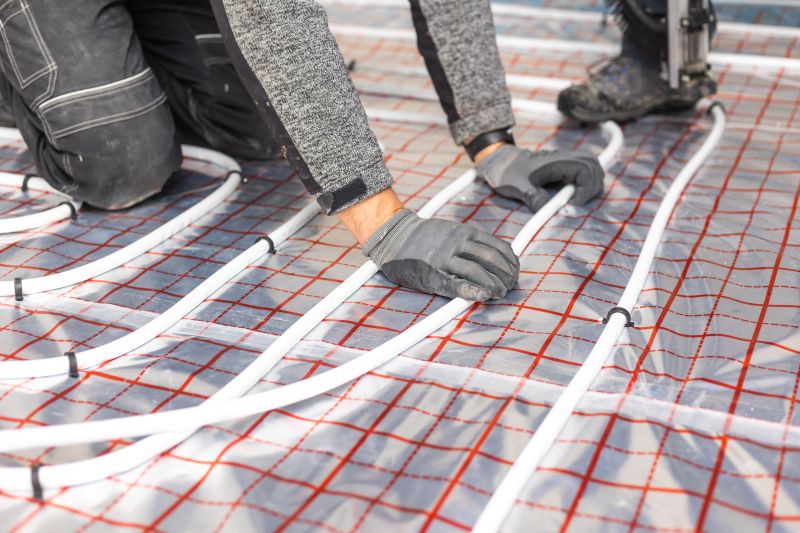
Winter requires additional measures like heating for successful concrete work.
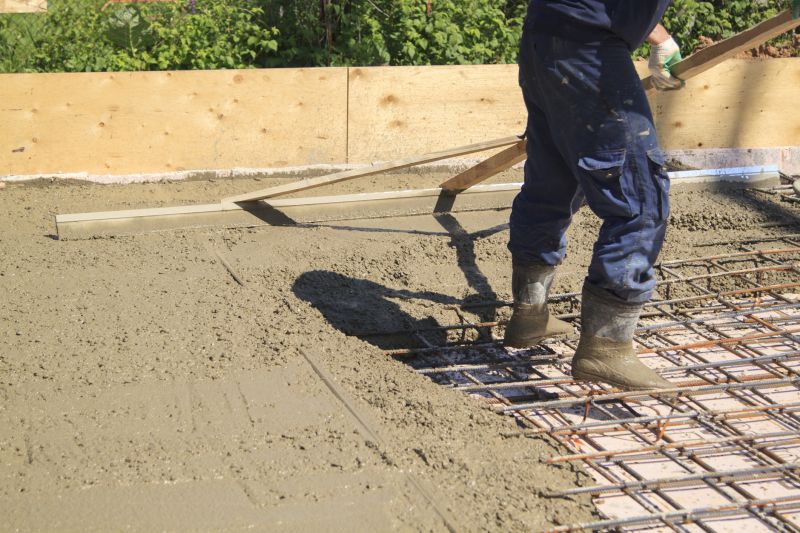
A frequent mistake in Concrete Installations and how to dodge it.
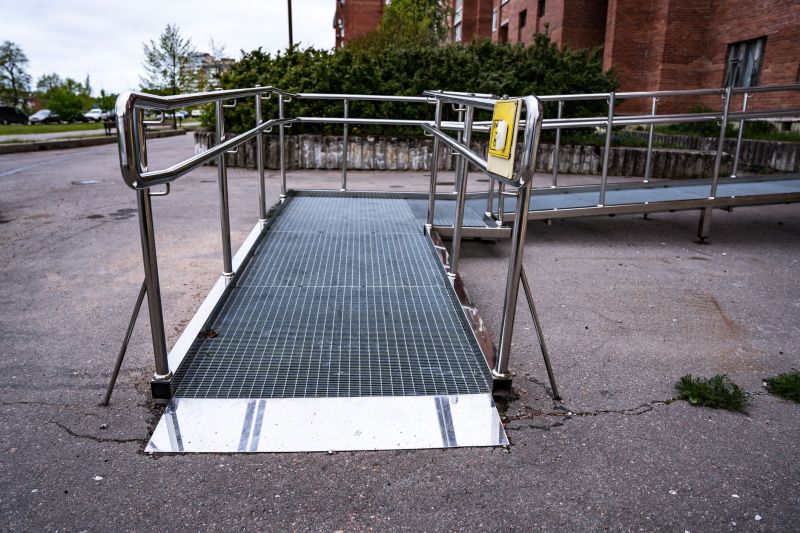
Small tweaks to make Concrete Installations safer and easier to use.
Lower-waste or water-saving choices for Concrete Installations.
Interested in scheduling concrete installations? Filling out the contact form can provide more information and help plan your project during the most suitable weather conditions for durable results.